
How to Temper Eggs for Ice Cream
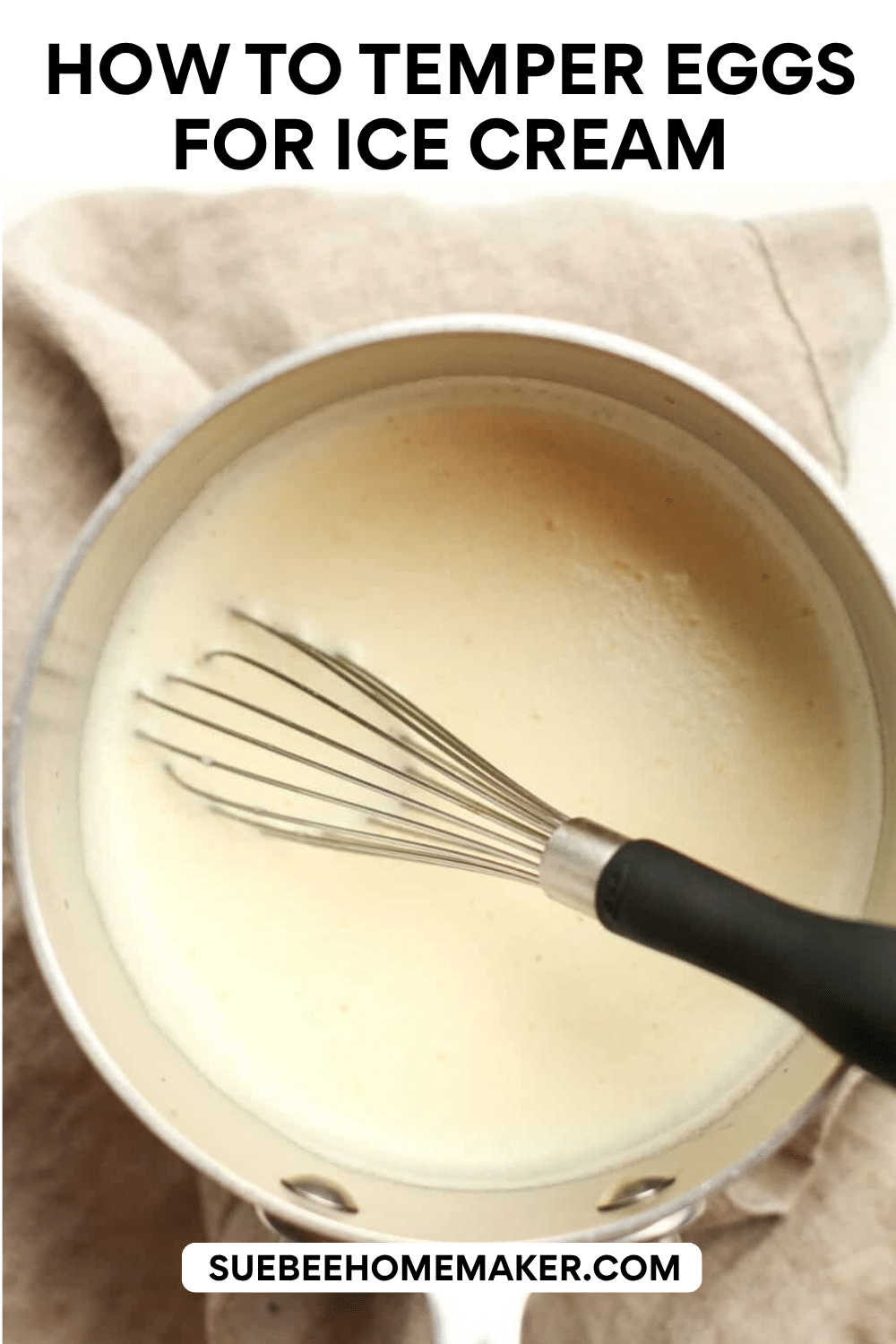
Learn how to temper eggs for homemade ice cream so your custard turns out smooth, silky, and perfectly thick every time. This quick guide walks you through the exact temperatures and steps to keep your eggs from scrambling!

Tempering Eggs
Mike and I were raised in families that took ice cream seriously, so naturally the love stuck. We’ve spent years playing around with homemade recipes, and at this point DQ doesn’t have anything up on us.
Since we usually make custard‑based ice cream, tempering the eggs is a must. It keeps the mixture silky instead of scrambled, and it also ensures the raw eggs are gently heated to a safe temperature. That little step makes all the difference in getting the rich, creamy texture we love.
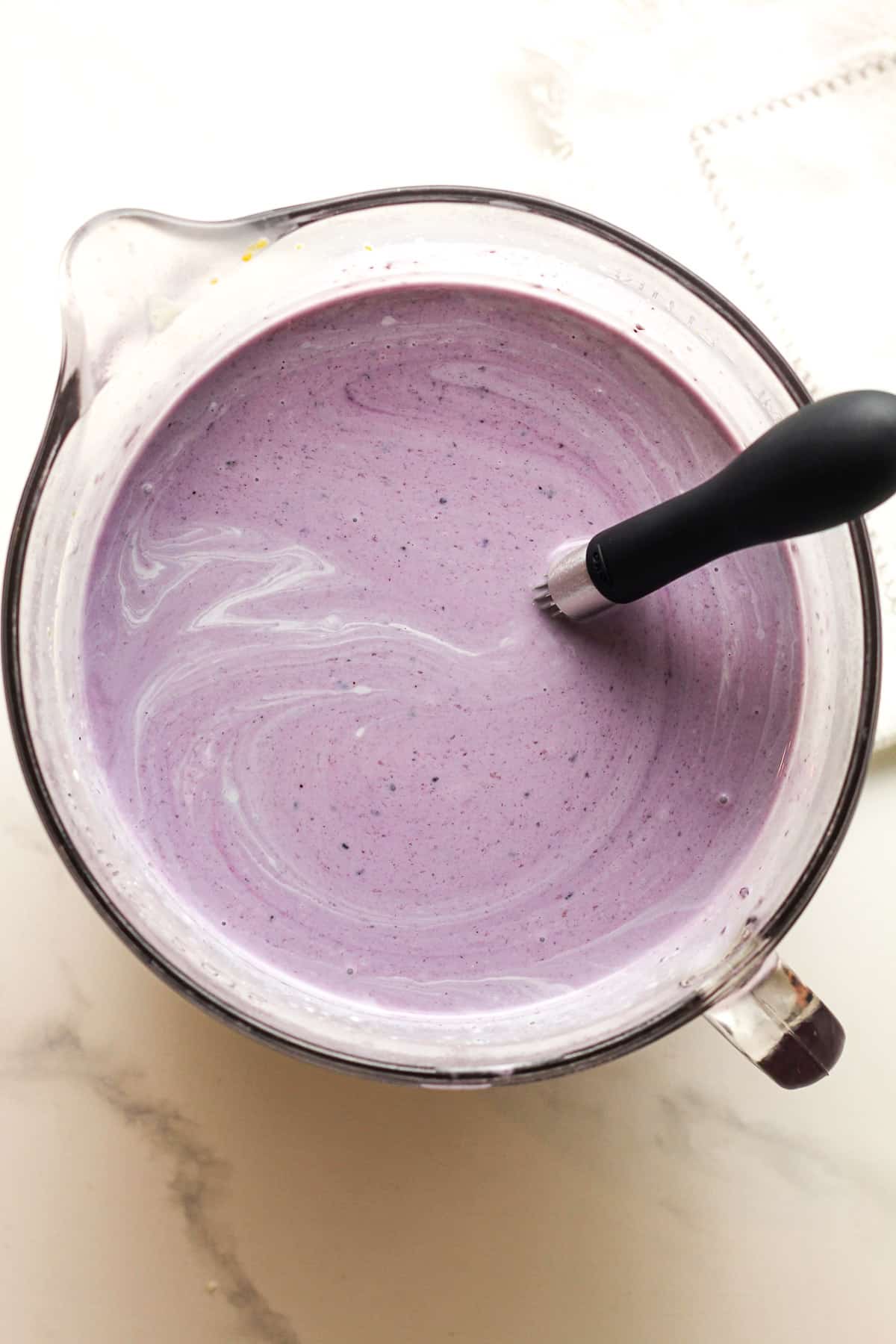
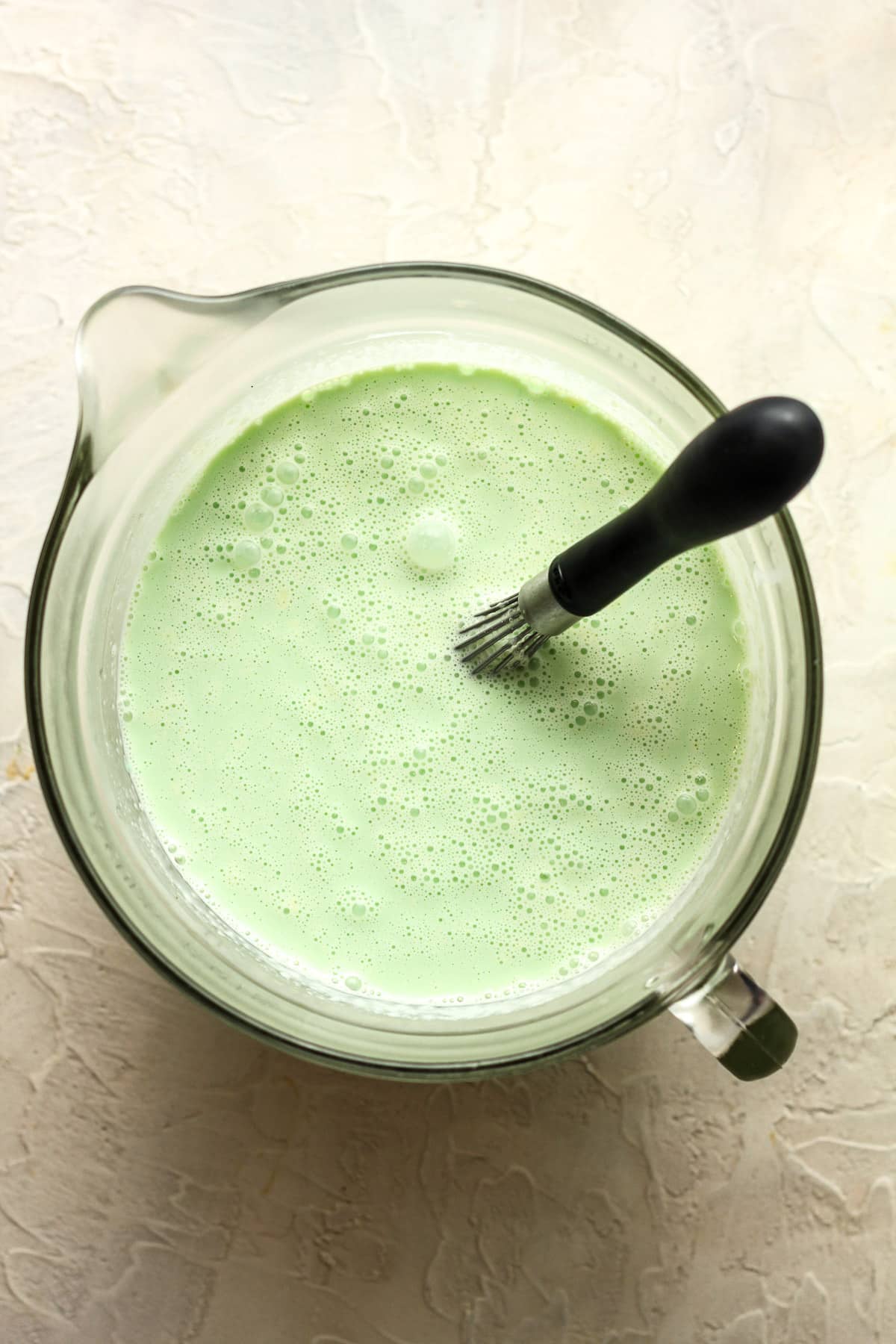
Step-by-Step Directions to Temper Eggs for Ice Cream:
Step 1
Heat dairy. Heat your milk/cream to about 165-170°F, just until it’s steaming and starting to bubble around the edges. Do not boil.
Step 2
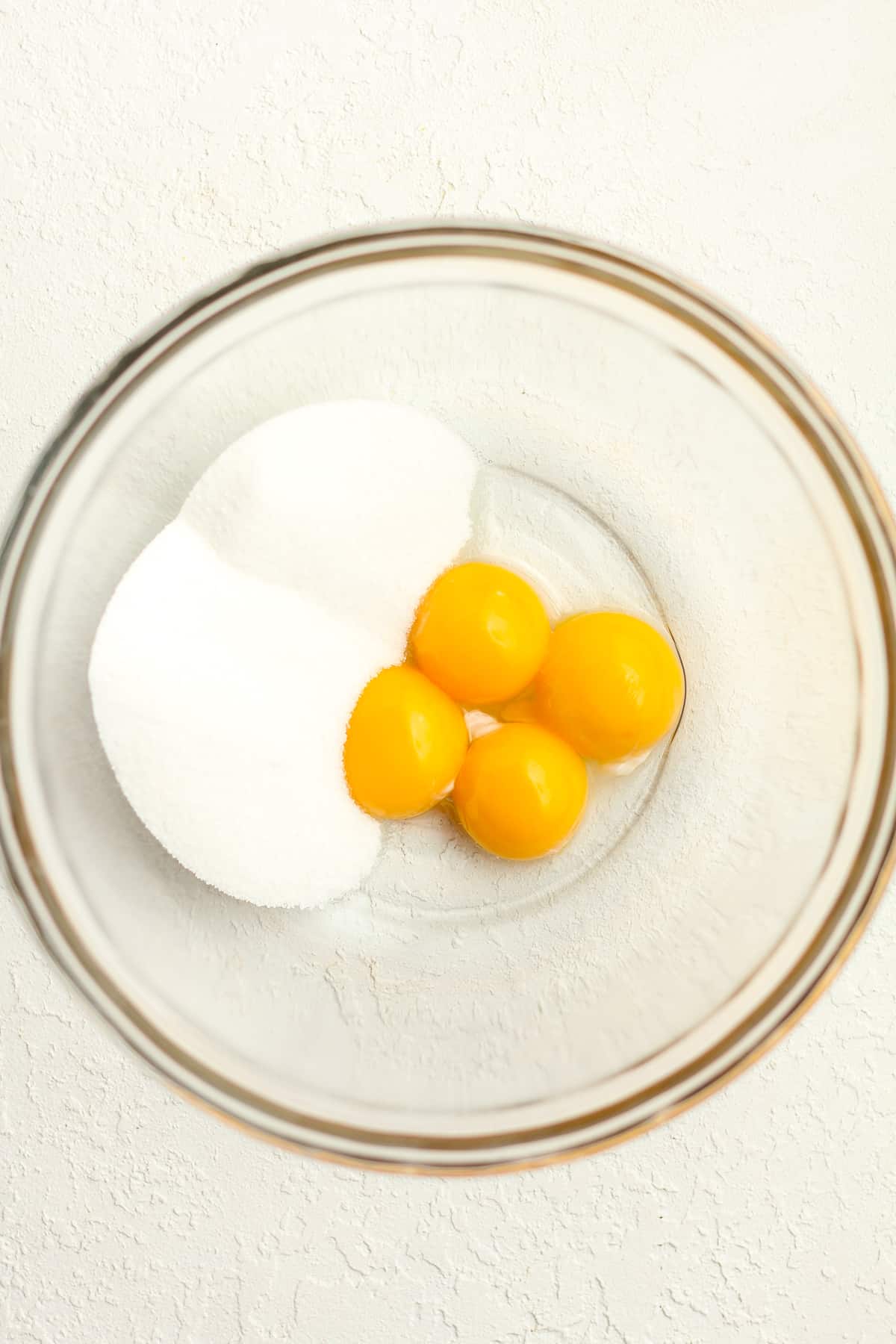
Whisk egg yolks and sugar. Whisk the egg yolks and sugar in a separate bowl until smooth.
This post may contain affiliate links. Read our disclosure policy
Step 3
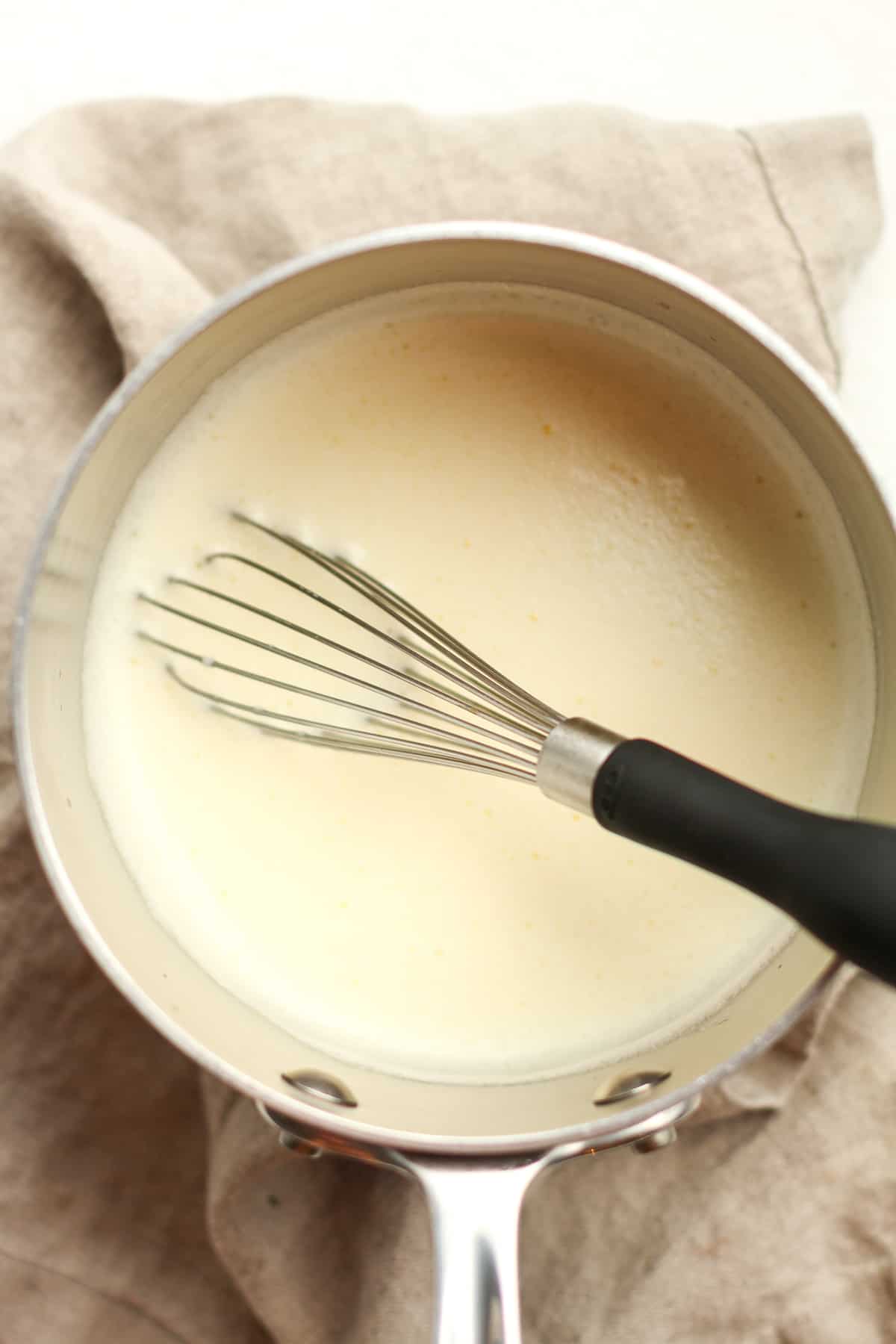
Add hot dairy to egg mixture. Slowly ladle in about ½ cup of the hot dairy while whisking constantly – this gently warms the yolks. Add in another ladle or two and keep whisking.
Pour the warmed yolk mixture back into the pot while whisking.
Step 4
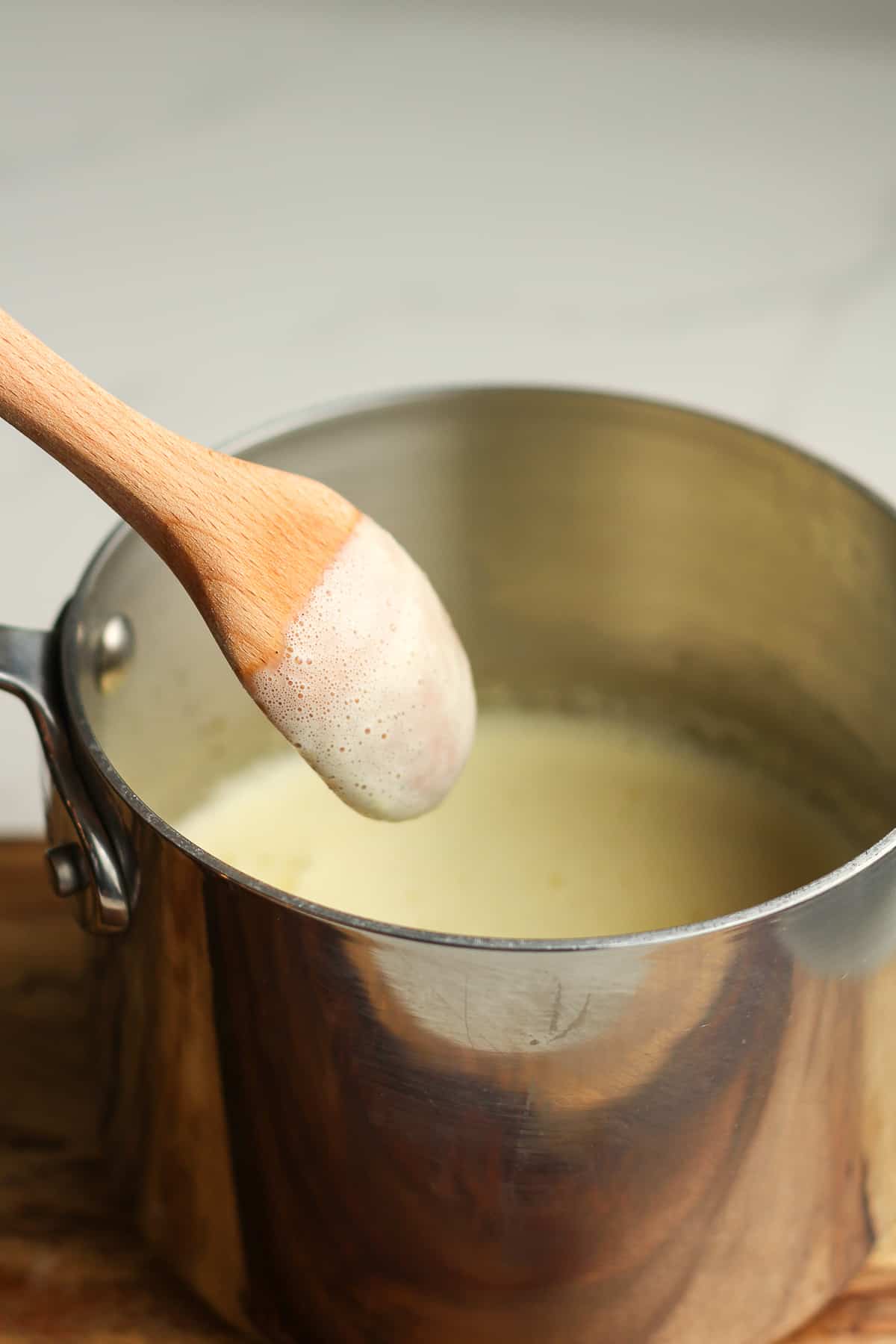
Heat mixture again. Cook the custard over medium‑low heat, stirring with a spatula, until it reaches 165-170°F and coats the back of the spoon.
Step 5
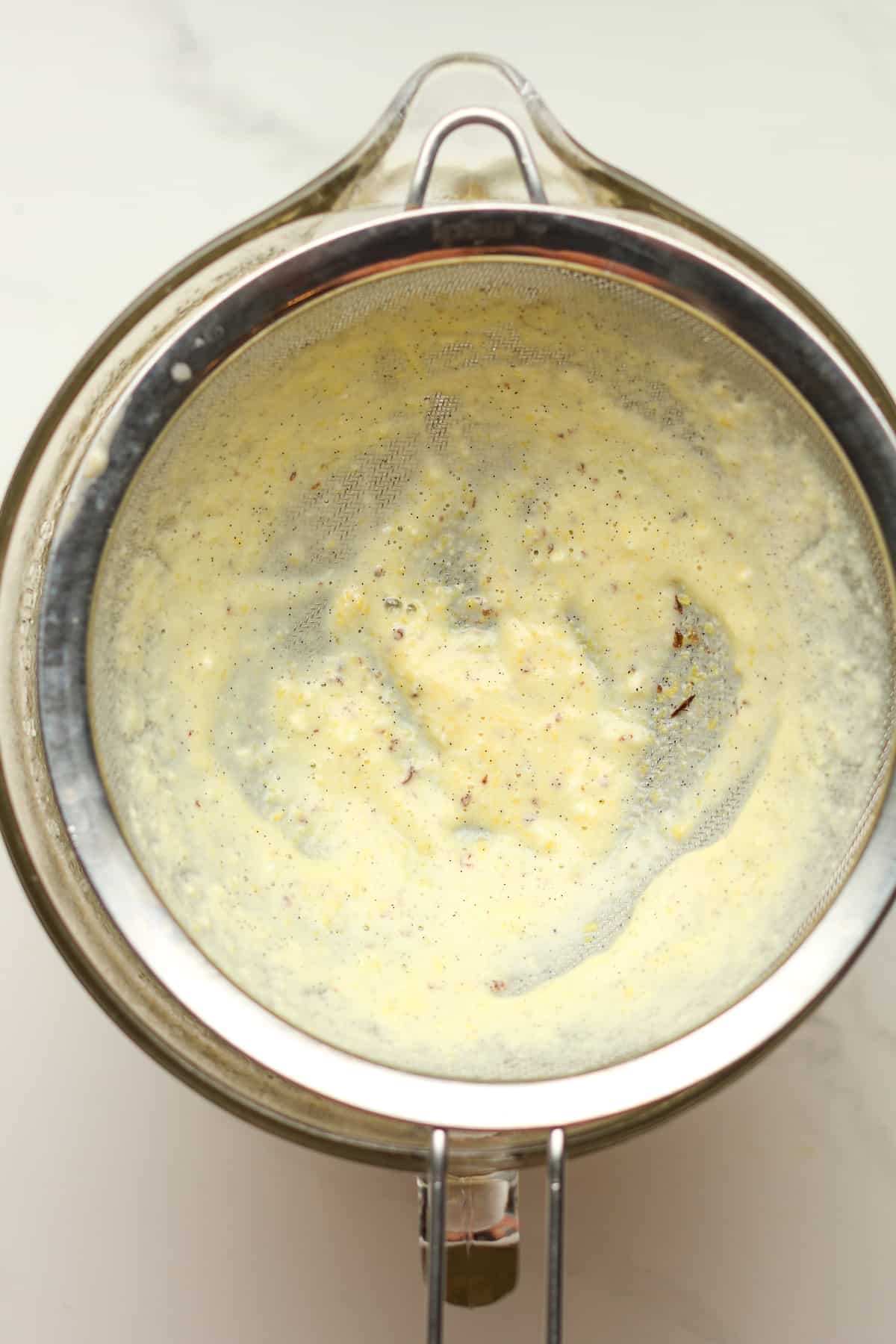
Strain (optional). Strain tempered egg mixture through a fine mesh sieve to catch any tiny cooked bits.
Step 6
Cool. Cool it down, then chill completely in the fridge before adding to other ingredients and churning.
FAQs:
Tempering keeps the eggs from cooking too quickly and turning into scrambled bits. It helps create a smooth, silky custard — the base of rich, creamy ice cream.
Yes. Tempering warms the raw eggs to a safe temperature (usually around 165-170°F), which reduces the risk of consuming undercooked eggs.
Aim for about 165-170°F. At this point the custard thickens and coats the back of a spoon. Don’t let it boil – boiling can curdle the mixture.
It happens! Just strain the custard through a fine mesh sieve. It removes any tiny cooked bits and keeps your ice cream base perfectly smooth.
You can, but yolks give a richer, creamier texture. Whole eggs make a lighter custard and can slightly change the final consistency.
No. No‑churn recipes usually skip eggs altogether and rely on whipped cream and sweetened condensed milk for texture.
Absolutely. Custard needs to be fully chilled before churning, so making it a day ahead works beautifully.
KitchenAid Ice Cream Recipes
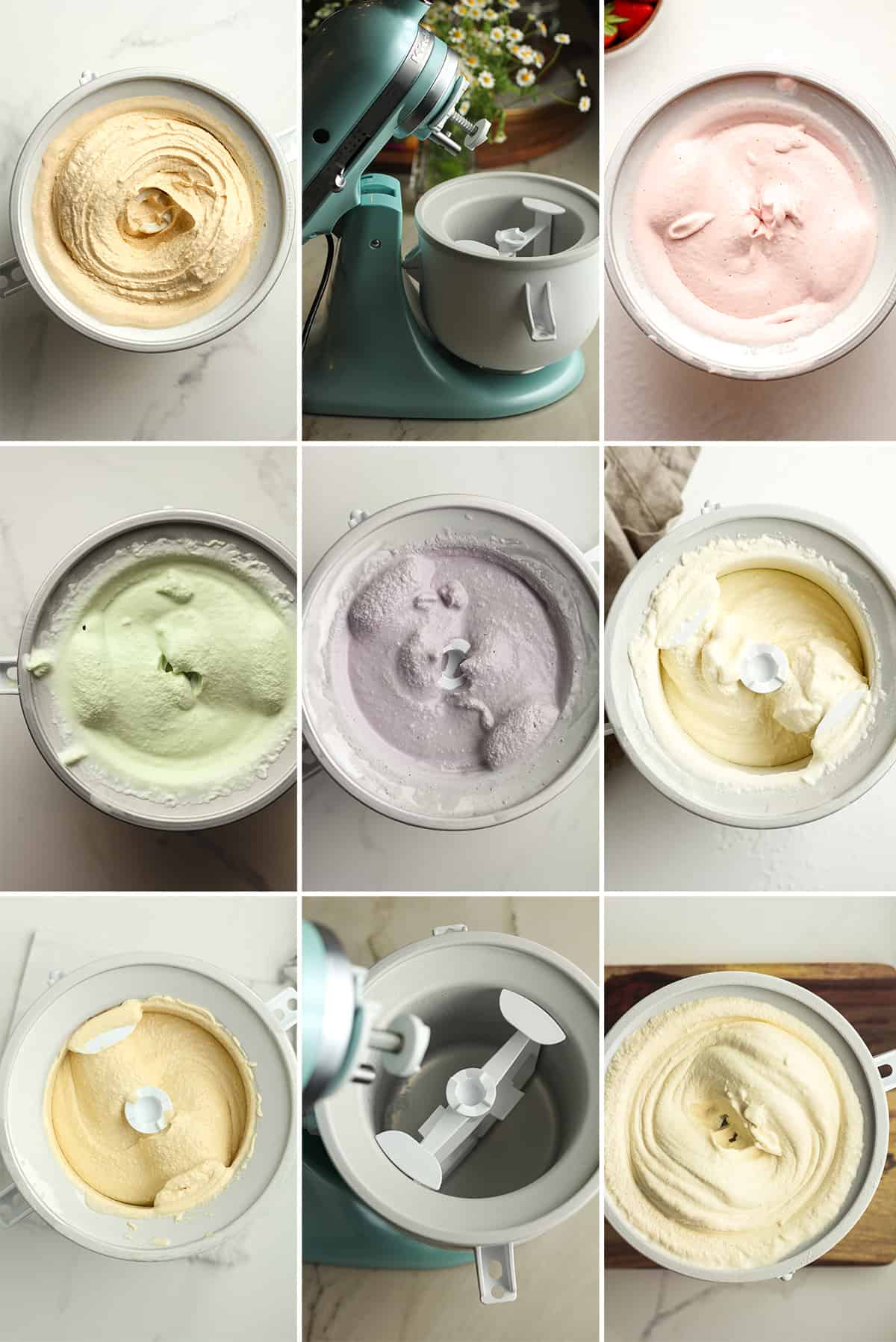
Looking for a specific ice cream flavor? We’ve got you covered with a whole post full of linked recipes. Try one, and pop back in to tell me what you think – I love hearing your favorites.
Great info for fellow ice cream lovers!